When economic turmoil, social dislocation, or communal trauma strikes, society carries deep emotional wounds that conventional words alone often fail to reach. Congregations and local communities look to the church not merely for administrative stability, but for authentic healing, presence, and genuine restoration.
However, when church leaders mobilize creative arts, therapeutic community initiatives, or expressive outreach programs to answer this call, they frequently run into a wall of logistical exhaustion. Without systematic processes, visionary ministries quickly descend into fragmented volunteer scheduling, budget leakage, and leader burnout, leaving staff overwhelmed when grace and order are needed most.
The solution lies in implementing strategic creative ministry management. By combining inspiring pastoral vision with structured operational workflows through an integrated church growth management system like Shiftsoft, churches can convert compassion into sustainable, high-impact ministry that restores broken lives without exhausting ministry teams.
The Transformative Power of Creative Ministry in Communities Under Pressure
Artistic expression within the church—spanning restorative music workshops, therapeutic visual arts for children, expressive drama, and community storytelling—transcends linguistic and emotional barriers. In fractured environments, such as community relief efforts or long-standing socioeconomic crises, the arts create a non-threatening sanctuary where hurting people process grief and encounter God’s restorative grace.
Global ministry models in crisis zones, from grassroots trauma programs to community-wide expressive initiatives, demonstrate that creative arts break emotional stagnation. Children find a safe outlet to articulate fear, while adults experience renewed dignity and community bonding. Yet, these initiatives do not flourish purely on emotional spontaneity; their success rests squarely on rigorous organizational stewardship behind the scenes.
When the church stewards creativity intentionally, creative programs transform from temporary distractions into profound channels for discipleship, evangelism, and long-term community transformation. Bringing beauty into brokenness demands more than passionate volunteers; it demands reliable operational systems.
The Hidden Operational Pitfalls in Faith-Based Creative Outreach
Creative minds and pastoral teams are exceptional at recognizing spiritual needs and casting heartfelt vision, but they frequently encounter bottlenecks when translating ideas into complex operational executions. Leading a community arts program or a crisis-relief project brings logistical hurdles that traditional administrative methods cannot handle effectively.
- Volunteer Churn and Communication Gaps: Creative outreach requires diverse talents—designers, musicians, counselors, logistics handlers, and technical crews. Without centralized communication, volunteers receive conflicting rosters, leading to frustration, absenteeism, and swift burnout.
- Asset and Financial Blind Spots: Craft supplies, musical equipment, venue bookings, and humanitarian materials require diligent stewardship. Manual tracking across spreadsheets invites inventory loss, unbalanced budget allocation, and unrecorded expenses.
- Fragmented Attendee Engagement and Pastoral Care: Community members who attend a creative arts workshop often express emotional needs during the session. If attendance records and care notes remain isolated on paper slips, the pastoral team loses the opportunity to follow up, leaving seekers disconnected.
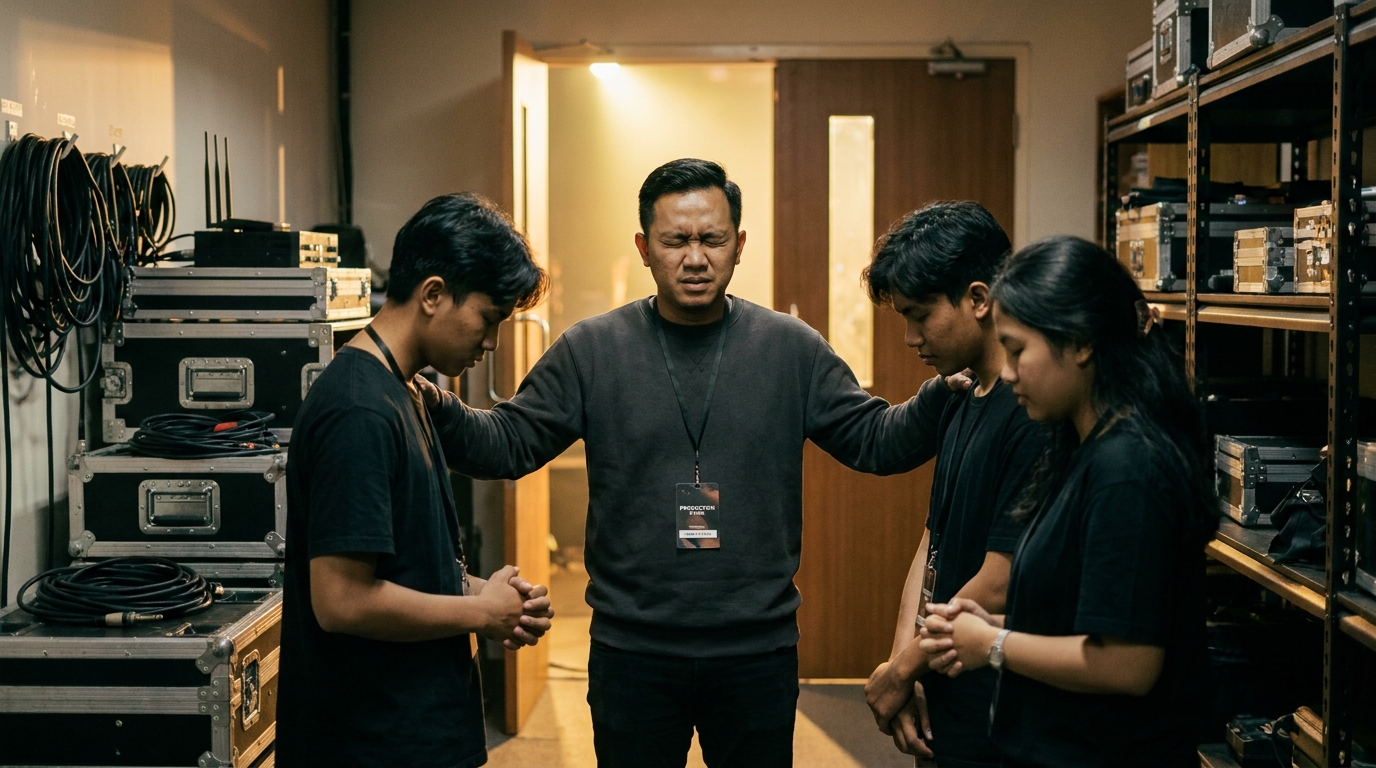
- Administrative Fatigue Diverting Focus: When pastors spend dozens of hours every week manually calling volunteers, printing schedules, and untangling logistics, they have little time left for prayer, sermon preparation, and direct pastoral counseling.
The 4 Pillars of Sustainable Creative Ministry Management
To establish creative outreach programs that stand the test of time, church leaders must adopt a systematic framework that balances visionary creativity with operational precision.
1. Agile Volunteer Deployment and Capability Mapping
Mobilizing church members effectively requires understanding their specific spiritual gifts, professional skills, and availability. Instead of making generic appeals from the pulpit, leaders must segment their volunteer pool by competencies, assigning suitable individuals to counseling, stagecraft, administration, or hospitality. A structured database ensures volunteer rotas are balanced, preventing the same 20% of leaders from doing 80% of the heavy lifting.
2. Coordinated Facility and Resource Stewardship
Creative workshops demand physical spaces, audio-visual gear, and recurring material inventories. Clear resource stewardship tracks who booked which hall, ensures supplies are reordered before running out, and confirms equipment is maintained. Transparent oversight ensures every resource invested directly serves Kingdom impact without wasteful duplication.
3. Seamless Discipleship and Visitor Follow-Up Pathways
A creative outreach event is not a standalone destination; it is an entry point into authentic spiritual community. Sustainable creative ministry management links event registration directly to discipleship pipelines. When a seeker registers for a relief art program, the system should instantly alert small group leaders or youth mentors for intentional, empathetic follow-up.
4. Multi-Channel Engagement Across Generations
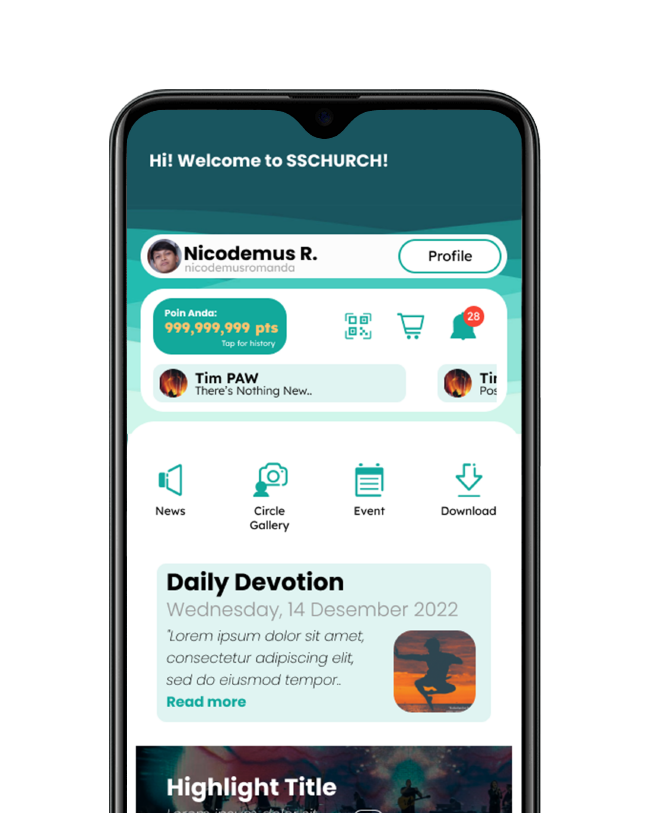
Connecting with younger demographics, especially Gen Z and millennials who feel the weight of modern crises acutely, requires digital accessibility. Registrations, schedules, feedback, and reminders must flow seamlessly to their smartphones. A digital-first approach bridges the gap between Sunday worship and daily engagement.
Manual Administration vs. Modern Church Growth Management Systems (CGMS)
Many churches attempt to manage expanding creative ministries using disconnected tools: spreadsheets for rosters, chat messaging groups for announcements, and manual paper sign-ins for attendance. The table below illustrates why modernizing your operational approach is essential for sustainable growth.
| Operational Dimension | Traditional / Disconnected Methods | Shiftsoft CGMS Platform |
|---|---|---|
| Volunteer Coordination | Scattered chat threads, double-booking, volunteer burnout, and missed shifts. | Centralized scheduling, automated role assignment, and transparent calendar availability. |
| Congregant Data & Care | Siloed contact lists, static spreadsheets, unmonitored spiritual journeys. | Unified member profiles, pastoral care logging, and automated milestone tracking. |
| Event & Workshop Management | Paper forms, manual headcounts, disconnected check-ins, zero retention tracking. | Real-time QR code check-in, instantaneous analytics, automated post-event follow-up workflows. |
| Resource Stewardship | Room clashes, overlooked inventory, fragmented financial tracking. | Streamlined facility reservations, transparent operational records, and complete administrative clarity. |
| Next-Gen Outreach | Clunky paper-based communication that alienates digitally native youth. | Mobile-optimized touchpoints and streamlined member portals tailored for modern engagement. |
Why Church Leaders Choose Shiftsoft to Power Ministry Impact
Transforming complex ministry operations into smooth, life-giving workflows requires software crafted specifically for church realities. Shiftsoft (shiftsoft.id) serves as an all-in-one Church Growth Management System (CGMS), engineered to lift administrative weights off ministry teams so they can focus on transforming lives.
Unified Pastoral Intelligence and Member Profiles
Shiftsoft centralizes your congregation’s records into a secure, intuitive hub. Church leaders gain immediate visibility into community demographics, attendance trends, family connections, and spiritual milestones. When launching outreach programs during challenging times, you can quickly identify vulnerable families, mobilize qualified volunteers, and ensure no congregant is left behind.
Streamlined Event Operations and Community Scheduling
Whether organizing a community arts relief workshop, an intensive youth training session, or multi-campus weekend services, Shiftsoft eliminates scheduling friction. Dynamic event coordination tools allow your staff to manage room reservations, volunteer duties, and attendee check-ins through a clean interface, cutting down administrative preparation time by half.
Bridging the Gap with Millennials and Next-Gen Believers
Reaching modern generations requires seamless digital integration. Shiftsoft provides responsive digital features that resonate with young adults, simplifying event registrations, group communications, and ministry participation right on their mobile devices. You establish an open door that invites regular involvement rather than passive attendance.
Data-Driven Pastoral Decisions
Faithful stewardship relies on accurate insights. Shiftsoft gives pastoral boards real-time analytics on attendance health, group retention, volunteer commitment, and outreach effectiveness. Instead of guessing how your community programs are performing, you receive clear, actionable data to refine your ministry strategies and make wise operational decisions.
A 4-Step Practical Blueprint: Executing Crisis-Response Creative Outreach
If your church leadership is preparing to launch a creative outreach, expressive arts workshop, or community care initiative, implement this structured process to maximize your spiritual and operational outcomes.
- Step 1: Conduct a Gifts and Needs Audit: Survey your congregation through your database to identify trained artists, certified counselors, educators, and organizational leaders. Simultaneously, listen to community leaders to identify where psychological and spiritual pressure is heaviest.
- Step 2: Build an Operational Event Framework in Shiftsoft: Create the event schedule, establish volunteer capacities, allocate room assignments, and configure automated reminders. This safeguards your core staff from administrative chaos before public promotion begins.
- Step 3: Run High-Touch, Frictionless Experiences: Use digital check-ins on event day to welcome guests warmly without long queues. Equip your volunteers with clear task descriptions so they serve with joyful confidence rather than anxious confusion.
- Step 4: Launch Immediate Pastoral Retention Workflows: Within 48 hours of event completion, assign follow-up tasks to cell group leaders and pastoral staff. Reach out to new contacts with personalized messages, inviting them into smaller discipleship circles where genuine care continues.
Conclusion: Cultivating Beauty and Hope Through Order
Scripture reveals a God who creates beauty out of chaos and brings hope into the darkest valleys. In seasons of distress, your church’s creative ministries can serve as an essential lifeline of grace, providing a broken world with a tangible foretaste of redemption. However, carrying that holy vision requires strong, dependable operational foundations.
Sound administration does not constrain the Holy Spirit; it clears the clutter so ministry can flourish unhindered. By implementing structured creative ministry management and empowering your team with purpose-built tools, you eliminate logistical barriers, safeguard your volunteers from exhaustion, and multiply your Kingdom fruitfulness.
Ready to elevate your church operations and steward your ministry’s vision with clarity? Partner with Shiftsoft to streamline your volunteer scheduling, simplify event coordination, and accelerate your church growth. Schedule your free Shiftsoft demonstration today and discover how intuitive church management software can empower your ministry to bring lasting hope to your community.